

Loosen your headband, shift its position, take breaks, and choose a lighter headset.
A headphone dent usually comes from temporary pressure that flattens your hair, not from a change in your skull. Learning how to prevent headphone dent means balancing a secure fit with less pressure, better placement, regular breaks, and simple hair-care habits. This guide explains the causes, the best fixes, common mistakes, and when a dent may need medical attention.

What Is a Headphone Dent?
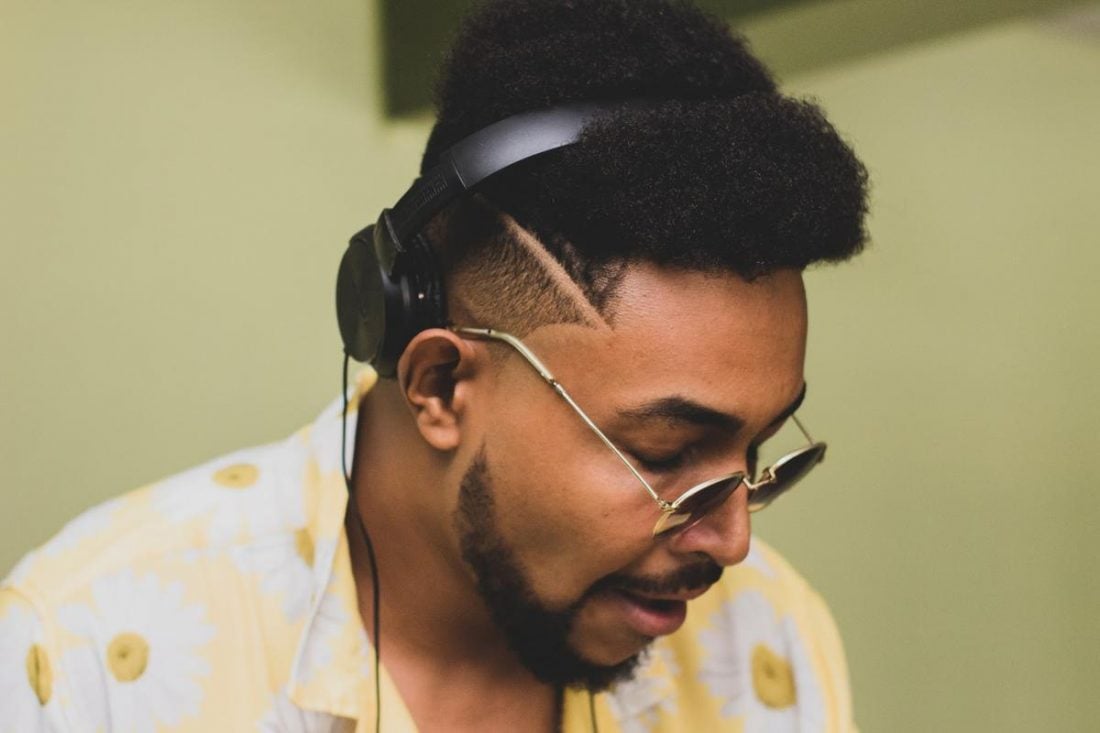
A headphone dent is a temporary line, flat spot, or groove in the hair where a headband rests. It is most common after wearing over-ear headphones for several hours, especially when the band is tight or sits in the same place every day.
The dent affects hair and the scalp’s surface appearance. It does not usually mean that headphones have changed the shape of your skull. Human bone is strong, and normal headphone use does not apply enough force to reshape an adult skull.
The effect can look more noticeable with:
• Thick or curly hair that holds its shape
• Fine hair that shows pressure marks easily
• Short hairstyles with little volume
• Tight gaming headsets
• Heavy studio headphones
• Long work, travel, or gaming sessions
Most dents fade after you remove the headphones and allow your hair to move freely. Think of it like a mark left by a hat or pillow. It may look dramatic for a while, but it is usually temporary.
What Causes a Headphone Dent?
Pressure is the main cause of a headphone dent. The headband pushes hair down against the scalp, while heat and sweat make the hair easier to flatten.
A tight headband can create more pressure than needed. Some headphones have stiff bands that do not spread weight well. Others use a narrow band that presses on a small area instead of distributing contact across the top of the head.
Headphone design also matters. A heavy headset may slowly slide down and create extra pressure. A poor fit can make you tighten the band, which may solve movement but increase the chance of a dent.
Other causes include:
• Wearing headphones in one position for many hours
• Resting the headband on the same strip of hair each day
• Wearing a headset over wet or damp hair
• Using a tight hairstyle under the band
• Wearing a hat beneath the headphones
• Applying hair products that make strands stick together
• Sleeping while wearing headphones
Sweat can make the problem more visible. Moist hair clumps together, so the flattened area may look sharper after a long session. Heat from ear cups can also make your scalp feel uncomfortable, even when the headband itself is not painful.

How to Prevent Headphone Dent
The best approach combines small changes. You do not need to stop using headphones. You need to reduce constant pressure and move that pressure to different areas.
1. Adjust the Headband
Start by loosening the headband until the headphones stay in place without squeezing your head. The band should feel stable, not tight.
A good fit should allow you to slide one finger between the band and your hair without forcing it. If the headset slips when you move, adjust the ear cups or try a different size before tightening the top band.
When learning how to prevent headphone dent, many people focus only on loosening the headset. That helps, but comfort also depends on weight, balance, ear cup size, and the shape of your head.
2. Change the Headband Position
Move the band slightly forward or backward every 30 to 60 minutes. Even a small change can stop one strip of hair from carrying pressure all day.
Do not place the band directly on the same part line each time. If you wear headphones for work, create two or three comfortable positions and rotate them during the day.
This simple habit is one of the easiest ways to prevent headphone dent without buying new equipment.
3. Take Regular Breaks
Remove your headphones for five to ten minutes every hour when possible. Use the break to let your hair lift and your scalp cool.
Breaks also help reduce ear warmth, sweat, and general head pressure. If you spend eight hours at a desk, short breaks are better than one long break at the end of the day.
A timer can help. Many people become so focused on music, games, or meetings that they forget the headset is still on.
4. Choose a Lighter Headset
Weight affects comfort. A lighter headset usually places less downward pressure on the head, especially during long sessions.
Look for:
• A broad, padded headband
• A flexible band with gentle tension
• Balanced ear cups
• Adjustable height
• Breathable padding
• A design that fits without constant tightening
Weight alone does not decide comfort. A well-balanced headset can feel better than a lighter model with a narrow, stiff band.
5. Use a Soft Headband Cover
A soft cover can spread pressure across a wider area. It may also reduce friction between the headset and your hair.
Choose a cover made from smooth, breathable fabric. Avoid thick materials that force you to tighten the headphones. A cover should cushion the band, not make the fit more restrictive.
Some users place a thin scarf, satin strip, or padded sleeve beneath the band. Keep the layer smooth so it does not pull hair or create a new pressure line.
6. Wear the Band Over a Different Hair Area
If your hairstyle allows it, place the band over a small ponytail, braid, or section of hair that can handle light pressure. Avoid tight styles, since they may cause their own tension and breakage.
A loose hairstyle can act as a cushion. A tight hairstyle can act like a second source of pressure. The goal is to create a soft buffer without pulling the roots.
People with curls may prefer a loose satin scarf beneath the band. This can protect the shape of the hair while limiting friction.
7. Keep Hair Dry Before Wearing Headphones
Let your hair dry before putting on a headset. Wet hair is easier to flatten, and it may stay pressed into a shape after the headphones come off.
If you must wear headphones after washing your hair, use a cool setting to dry the section beneath the band. Avoid high heat on the scalp.
Dry hair will still flatten under pressure, but it often regains its shape more easily than damp hair.
8. Try a Different Type of Headphone
Over-ear headphones are not the only option. On-ear models, earbuds, and bone-conduction headphones place pressure in different areas.
Each option has limits:
• Earbuds avoid top-of-head pressure but may irritate the ear canal
• On-ear headphones can press on the outer ear
• Bone-conduction models reduce hair pressure but may not suit every listening need
• Lightweight wired earbuds may be comfortable but can lack noise isolation
Choose the design that matches your use. For a short walk, earbuds may work well. For studio work, over-ear headphones may offer better sound and comfort.

How to Relieve a Headphone Dent Quickly
Most headphone dents fade on their own. Removing the headset is the first step, but a few gentle actions can help your hair recover faster.
Try these methods:
Remove the headphones and shake your hair gently at the roots.
Massage the flattened area with clean fingertips for 30 to 60 seconds.
Use a wide-tooth comb to lift the hair.
Mist the area lightly with water if the hair is dry.
Dry the roots with cool air while lifting them with your fingers.
Change your part to hide the mark for a short time.
Avoid aggressive brushing or pulling. That may cause breakage, especially if the hair is fine, curly, bleached, or already dry.
A small amount of styling foam or root spray may add volume. Use it sparingly. Heavy products can make the hair stiff and cause the dent to remain visible.

How to Prevent Headphone Dent With Different Hair Types
Hair responds to pressure in different ways. Your best method may depend on texture, length, and density.
Fine or Straight Hair
Fine hair often shows a band mark quickly. Use a loose fit, a thin fabric cover, and frequent breaks. A light root spray can add lift after use.
Avoid heavy oils before wearing headphones. They can make strands stick together and hold the flattened shape.
Thick or Curly Hair
Thick and curly hair may hide the dent at first but hold the pressed shape longer. A satin scarf or loose protective style can reduce friction.
Do not force the band through a tight curl pattern. Place it gently and change its position during long sessions.
Short Hair
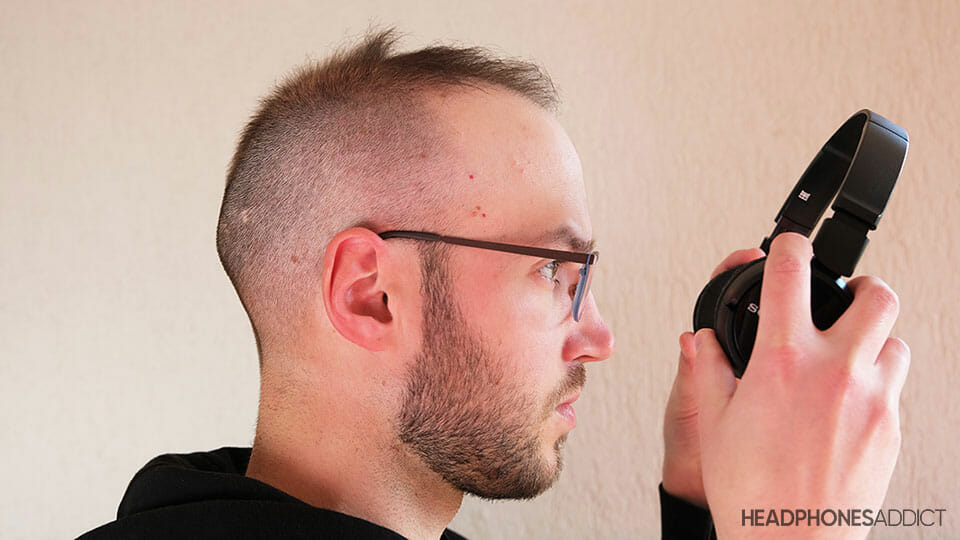
Short hair has less length to hide a pressure mark. A broad, padded band and regular repositioning can make a noticeable difference.
You may also prefer earbuds for short listening sessions. For long sessions, select an over-ear model with a flexible, well-padded band.
Long Hair
Long hair can create extra weight beneath the headband. Keep the hair loose or use a low, relaxed ponytail.
Avoid placing a tight hair tie directly under the band. The hair tie and headset may combine to create pressure in the same area.
Common Mistakes That Make Headphone Dents Worse
Some habits increase pressure without making the headphones safer or more comfortable.
Tightening the Headset Too Much
A headset should not need to grip your head firmly to stay in place. If it slips, check the ear cup position and headband size first.
Wearing Headphones on Wet Hair
Damp hair molds around the band and may keep the mark longer. Dry the top of your head before long listening sessions.
Ignoring Pain or Numbness
A visible dent is usually harmless, but pain, tingling, numbness, or skin damage is a sign to stop and adjust the fit.
Sleeping in Headphones
Sleeping with headphones can increase pressure and may damage the headset. It can also affect sleep comfort and make it harder to notice soreness.
Using a Thick Cushion
A thick cushion may sound helpful, but it can make the headset tighter. Use a thin, soft cover instead.
Wearing One Headset for Every Activity
A heavy gaming headset may be fine for a short match but uncomfortable for an eight-hour workday. Match the headphone type to the length and purpose of use.
Is a Headphone Dent Harmful?
In most cases, a headphone dent is a cosmetic hair mark and is not harmful. It usually disappears after the pressure stops and the hair returns to its normal shape.
Headphones can still cause other problems when used poorly. Tight ear cups may create skin irritation, sweat buildup, pressure pain, or headaches. Loud audio can also harm hearing over time, which is a separate and more serious concern than a hair dent.
Stop using the headphones and seek medical advice if you notice:
• Persistent scalp pain
• Swelling or broken skin
• Numbness or tingling that does not fade
• Severe headaches linked to the headset
• Hair loss in one repeated pressure area
• A lasting scalp change after stopping headphone use
These symptoms do not prove that headphones caused a serious problem. They do mean that a health professional should assess the area.

A Practical Daily Routine
A simple routine can make how to prevent headphone dent part of your normal day.
Before wearing headphones:
• Check that your hair is dry
• Loosen the headband
• Set the ear cups evenly
• Choose a comfortable band position
During use:
• Shift the band every 30 to 60 minutes
• Take short breaks
• Wipe away sweat when needed
• Watch for pressure, pain, or numbness
After use:
• Remove the headset gently
• Lift the roots with your fingers
• Let your scalp cool
• Store the headphones so the band does not stay compressed
I have found that the biggest improvement usually comes from changing the band position and taking breaks, not from buying expensive accessories. Many people try to solve the issue with a cushion first, but a tight fit can cancel out the benefit.
The lesson is simple: comfort comes from reducing pressure, not hiding it.

Frequently Asked Questions About How to Prevent Headphone Dent
Can headphones permanently dent your head?
Normal headphone use does not usually permanently dent an adult skull. A visible mark is typically caused by hair being pressed down and should fade after removing the headset.
How long does a headphone dent last?
A headphone dent may disappear within a few minutes or several hours. Hair texture, moisture, pressure, and wearing time all affect how long the mark remains.
Does wearing a hat prevent headphone dent?
A thin, smooth hat may spread pressure and protect hair, but a thick hat can make the headset tighter. If you use one, check that the headphones still fit loosely and comfortably.
Are headphone dents a sign that headphones are too tight?
A dent can suggest that the band is pressing on one area for too long. If you also feel pain, a headache, numbness, or skin irritation, loosen the headset or choose a different model.
Do earbuds prevent headphone dent?
Earbuds usually avoid pressure on the top of the head, so they can help prevent headphone dent. However, they may cause ear discomfort if they fit poorly or are worn for long periods.
Can a headphone dent cause hair loss?
A temporary hair mark does not normally cause hair loss. Repeated friction, tight hairstyles, or constant pressure may contribute to breakage or irritation, so change the fit and take regular breaks.
Should I massage a headphone dent?
A gentle scalp massage can help lift flattened hair and improve comfort. Do not press hard or massage an area that is painful, swollen, numb, or damaged.
Conclusion
A headphone dent is usually a temporary hair mark caused by pressure, heat, moisture, and long wear. You can reduce it by loosening the headband, changing its position, taking regular breaks, keeping hair dry, and choosing a lighter or better-balanced headset.
The most effective solution is not one perfect product. It is a comfortable routine that gives your hair and scalp time to recover. Try one or two changes today, then share your favorite headphone comfort tip or explore more practical audio-care guides.