

Wear headphones with glasses by easing the arms over your frames, choosing soft pads, and adjusting pressure evenly.
Wearing headphones with glasses can be comfortable when you manage pressure, fit, and frame position. After testing many headphone styles and fit adjustments, I have found that small changes often matter more than buying expensive gear. This guide explains how to wear headphones with glasses for work, travel, gaming, exercise, and long listening sessions without pain or slipping.
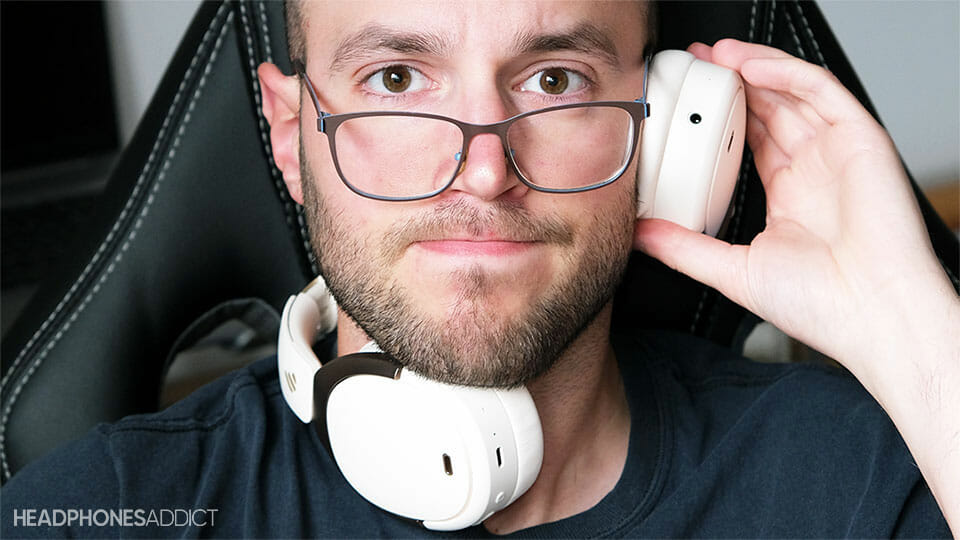
Why headphones and glasses can feel uncomfortable together
Headphones and glasses often compete for the same small area behind your ears. The headphone arms may press your eyeglass temples against your skin, while the ear cups can push the frames inward. That pressure may cause soreness, headaches, red marks, or a poor seal.
The problem is usually worse with tight over-ear headphones. Strong clamping force pushes the ear cups toward your head. Your glasses then act like a small hard ridge between the pads and your skin.
You may also notice discomfort because of:
• Thick eyeglass frames that create a larger pressure point
• Rigid plastic or metal temples
• Heavy headphones that pull down on your glasses
• Small ear cups that rest partly on your ears
• Poorly adjusted frames that already fit too tightly
• Heat and sweat around the ears
A good fit should feel secure but not painful. Your glasses should remain level, and the headphones should not force the frame arms against your head.

How to wear headphones with glasses comfortably
The best way to wear headphones with glasses is to set up your glasses first, then position the headphones around them. Do not place the headphones on your head and force the glasses underneath. That method often bends the frames and creates uneven pressure.
Follow these steps:
Put on your glasses and adjust them normally. Make sure they sit straight on your nose and do not already feel tight.
Hold the headphone headband with both hands. Gently widen it before placing it over your head.
Position the ear cups so the center of each cup surrounds your ear. The pads should rest on your head, not directly on the glass arms.
Move the headphone arms slightly forward or backward until the pressure feels even.
Check the glasses temples behind your ears. They should not be sharply bent or pushed into your skin.
Play audio at a low level and wear the headphones for five to ten minutes. Increase the time slowly if they remain comfortable.
A useful trick is to place the headphones slightly higher or lower than usual. Even a small change can move the pressure away from the most sensitive part of your glasses.
When learning how to wear headphones with glasses, avoid repeatedly tightening the headband. A tight fit may feel stable at first, but it can cause pain during longer use.
Choose the right headphone style
The headphone design has a major effect on comfort. Some styles work better with glasses because they create less pressure on the frame arms.
Over-ear headphones
Over-ear headphones are often the most comfortable option for people who wear glasses. Their large ear cups surround the ears instead of pressing directly on them.
Look for:
• Deep ear cups
• Soft memory foam pads
• A low or moderate clamping force
• Wide openings that fully surround your ears
• Replaceable ear cushions
However, over-ear headphones can still cause pain if the pads are shallow or stiff. The pad should seal around the glasses arm without crushing it.
On-ear headphones
On-ear headphones rest directly on the outer ear. They are usually lighter and more portable, but they may press the glasses temples against your head.
They can work well if they have soft pads and a relaxed fit. They may be less suitable for people with thick frames or sensitive skin near the ears.
Open-back headphones
Open-back headphones allow air to pass through the ear cups. They can feel cooler during long sessions and may create less heat around your glasses.
Their main limitation is sound leakage. They are better for quiet rooms than offices, airplanes, libraries, or shared spaces.
Earbuds and in-ear headphones
Earbuds do not press on your glasses, so they can solve frame pressure completely. Still, they may cause ear canal discomfort, especially when worn for many hours.
Use the smallest comfortable ear tips and take regular breaks. Never push earbuds deep into your ears to block all outside sound.

Adjust your glasses before wearing headphones
Comfort often starts with the glasses, not the headphones. A frame that slips, pinches, or sits unevenly will become more uncomfortable under pressure.
Ask an optician to check these areas:
• Temple length
• Nose pad position
• Frame width
• Ear bend
• Bridge fit
• Screw tension
A professional adjustment is usually quick. Do not heat or bend expensive frames at home unless the manufacturer specifically allows it. Excess heat can damage coatings, loosen lenses, or permanently deform plastic frames.
Thin, flexible frames may feel better with headphones because they create a smaller pressure point. That does not mean every thin frame is better. The best choice depends on the frame shape, temple material, and your head size.
If your glasses have thick arms, try headphones with deeper cushions. If your glasses are wide, select ear cups with a larger inner opening.

Reduce pressure from the headphone fit
Headphone pressure is affected by clamp force, pad material, headband tension, and ear cup size. You can often improve comfort without replacing the entire headset.
Try these practical changes:
• Loosen the headband so the ear cups sit at the correct height.
• Extend both sides evenly to keep pressure balanced.
• Replace flat or worn pads with thicker memory foam pads.
• Choose angled pads that spread pressure across a wider area.
• Take the headphones off for five minutes every hour.
• Keep the headband centered instead of letting it pull to one side.
Some headphones become slightly less tight after regular use, but do not stretch them aggressively over books or boxes. Excess force can damage the hinges, headband, or internal wires.
When you wear headphones with glasses, comfort should improve within a few minutes. If the pain gets worse, stop and adjust the fit instead of trying to tolerate it.

Use glasses-friendly headphone accessories
Small accessories can make headphones with glasses easier to wear. They are most useful when the basic fit is already close but needs minor improvement.
Helpful options include:
• Replacement ear pads made from soft memory foam
• Fabric covers that reduce friction and absorb sweat
• Silicone temple sleeves for smoother contact
• Lightweight headphone bands
• Cable clips that reduce pulling on one side
Be careful with thick pad covers. They may make the headphones feel softer but can reduce the ear cup opening. That change may push the cups onto your ears and increase pressure.
You can also use a thin, soft sleeve over the glasses temples. Avoid bulky material that changes the frame angle or presses against your skin. Test any accessory for a short period before wearing it during a long flight or workday.

Prevent pain during long listening sessions
Even a good fit can become uncomfortable after several hours. Your ears, skin, and jaw need short breaks, just as your eyes need breaks from a screen.
Use this routine:
Start with a comfortable volume and fit.
Remove the headphones for a few minutes every hour.
Stretch your neck and relax your jaw.
Wipe away sweat from the pads and glasses arms.
Check for red marks, numbness, or sharp pain.
Stop using the headphones if discomfort continues after adjustment.
High sound levels can also cause harm, even when the headphones feel comfortable. Hearing experts commonly recommend keeping personal audio at a moderate level and taking listening breaks. If you need to raise the volume to block nearby noise, consider noise-canceling headphones instead of turning the sound up.
Noise cancellation can help you listen at a lower volume, but it does not make loud audio harmless. Fit and volume both matter.

Headphones with glasses for different situations
The best solution depends on where and why you listen.
Working from home
Choose lightweight over-ear headphones with breathable pads. A relaxed clamp helps when you wear glasses and headphones for video calls or music throughout the day.
Keep the volume moderate and switch to speakers during breaks. This reduces pressure around your ears and gives your glasses a rest.
Gaming
Gaming headsets often have large ear cups and strong headbands. Look for a model with adjustable clamping force, soft cushions, and a flexible headband.
A headset that feels fine for 20 minutes may become painful after a long gaming session. Test it for at least an hour before deciding whether it fits your glasses well.
Traveling
Noise-canceling over-ear headphones can reduce the need for loud audio on planes and trains. Select a compact model with soft pads and enough space for your glasses arms.
If the headphones are heavy, the headband may push your glasses down your nose. In that case, lighter earbuds may be a better travel option.
Exercise
Over-ear headphones can become hot and unstable during exercise. Wireless earbuds or sport earbuds may work better, provided they fit securely and remain comfortable.
Sweat can make glasses and headphones slide. Wipe both surfaces often, and avoid wearing gear that blocks your awareness in unsafe outdoor areas.
Mistakes to avoid when wearing headphones with glasses
Many comfort problems come from simple fit mistakes. Avoid these common habits:
• Forcing glasses under a tight headphone band
• Wearing headphones with bent or damaged frames
• Ignoring numbness or sharp pain
• Choosing ear cups that touch the ears
• Stretching the headband too far
• Wearing dirty or compressed ear pads
• Turning up the volume to overcome poor noise isolation
• Wearing headphones for hours without a break
One mistake I often see during fit testing is judging comfort too quickly. A headset may feel soft during the first minute but create pressure after half an hour. Always test headphones in the same way you plan to use them.
It also helps to move your head while testing. Look down, turn left and right, and speak normally. If the glasses slide or the headphones shift, the fit needs more adjustment.
When to replace your headphones or glasses
Adjustment can solve many problems, but not every problem. Consider replacing the headphones if the ear pads are hard, cracked, flat, or uneven. Worn pads can expose the frame arms to more pressure.
Your glasses may need professional attention if they:
• Slide down repeatedly
• Press behind your ears
• Leave deep marks
• Sit crooked
• Have loose hinges
• Feel painful even without headphones
Persistent ear pain, skin irritation, headaches, or changes in hearing deserve medical attention. Headphone discomfort should not be confused with an eye or ear condition. A qualified eye-care or medical professional can help identify the cause.
Frequently Asked Questions About How to Wear Headphones With Glasses
Is it better to wear glasses over or under headphones?
Place your glasses on first, then position the headphones over them. This lets you adjust the ear cups around the frame instead of forcing the glasses into place.
What type of headphones are best for people with glasses?
Over-ear headphones with deep, soft ear pads and low clamping force are often the most comfortable. Earbuds are another option because they do not press on the glasses temples.
How can I stop headphones from hurting my ears with glasses?
Loosen the headband, center the ear cups, and use softer or deeper replacement pads. Take regular breaks and stop using the headphones if pain, numbness, or skin damage continues.
Can headphones damage my glasses?
Headphones can bend frames, loosen hinges, or scratch the temples if they apply strong pressure or rub against dirty pads. Place the glasses on first and avoid forcing the headphone arms into position.
Are noise-canceling headphones better for glasses?
Noise-canceling headphones may help because they let you listen at a lower volume in noisy places. They are not automatically more comfortable, so choose a model with suitable ear cup depth and gentle clamping force.
Can I wear headphones with thick glasses frames?
Yes, but choose headphones with large ear openings and flexible, soft cushions. Thick frames may need more space, so shallow on-ear headphones can create extra pressure.
Conclusion
Learning how to wear headphones with glasses is mostly about managing pressure and choosing the right shape. Put your glasses on first, use deep and soft ear pads, adjust the headband evenly, and take regular breaks.
Do not ignore pain or rely on force to make a poor fit work. Test your headphones for real listening periods, keep your glasses properly adjusted, and choose earbuds or open-back models when over-ear pressure becomes a problem. Try these steps today, then explore more headphone fit guides or share your own comfort tips in the comments.