How To Keep Earbuds From Falling Out: Secure Fit Tips
The best way to keep earbuds from falling out is to choose the right tip, fit each bud securely, and match it to your activity.
Learning how to keep earbuds from falling out is not just about pushing them deeper. Ear shape, ear tip size, sweat, motion, and earbud design all affect the fit. This guide explains the safest and most reliable ways to keep earbuds in place, whether you are working, running, commuting, or relaxing at home.

Why do earbuds keep falling out?
Earbuds fall out when they do not create a stable fit inside the outer ear. Most earbuds rely on the ear tip or outer shell to stay in place. If that part is too small, too large, too smooth, or poorly shaped for your ear, the earbud can slowly loosen.


Several common problems can cause this:
• The ear tips are the wrong size.
• The earbuds sit at the wrong angle.
• Sweat or oil makes the ear canal or outer ear slippery.
• Your earbuds are too heavy for your ear shape.
• Earwax prevents the tips from sealing well.
• Jaw movement loosens the earbuds while you talk or chew.
• Running, jumping, or fast head movement creates extra force.
• The earbuds are designed for casual use, not sports.
Ear anatomy also matters. One ear may be slightly larger or shaped differently from the other. It is normal to need a medium tip in one ear and a small tip in the other.
In my own earbud testing, the biggest mistake was assuming both ears needed the same setup. Switching one side to a smaller tip made a bigger difference than buying a new pair. A secure fit often comes from small adjustments, not expensive upgrades.


Choose the right ear tip size
The ear tip is often the most important part of learning how to keep earbuds from falling out. Many earbuds include small, medium, and large silicone tips. Some include extra-small or extra-large options.
A good ear tip should sit securely without causing pain. It should create a light seal, but it should not feel like pressure is building in your ear.
Signs your ear tips are too small
• The earbud feels loose when you walk.
• Outside sounds remain very loud.
• The bass sounds weak or thin.
• The earbud falls out when you turn your head.
• You need to push the earbud back in often.
A tip that is too small may not touch enough of the ear canal walls. It can also let the earbud move with every step.
Signs your ear tips are too large
• Your ears feel sore after a short time.
• The earbuds create strong pressure.
• The tips slowly push themselves out.
• Your ears feel blocked or uncomfortable.
• You notice pain when chewing or talking.
Large tips are not always more secure. They may press against the ear canal and work their way out. Try one size smaller if the larger tip feels tight.
How to test the fit
Try each size for several minutes. Walk around, talk, turn your head, and open your mouth. The best size should remain stable during these simple movements.
Test each ear separately. Your left and right ears may need different tip sizes. This small change can make it much easier to keep earbuds from falling out.


Insert earbuds at the right angle
Many people place earbuds straight into the ear canal and stop. That may not be the best fit. Most earbuds need a small twist to lock into the shape of your ear.
Use this method:
-
Hold the earbud so the tip points slightly forward.
-
Place it gently into the ear canal opening.
-
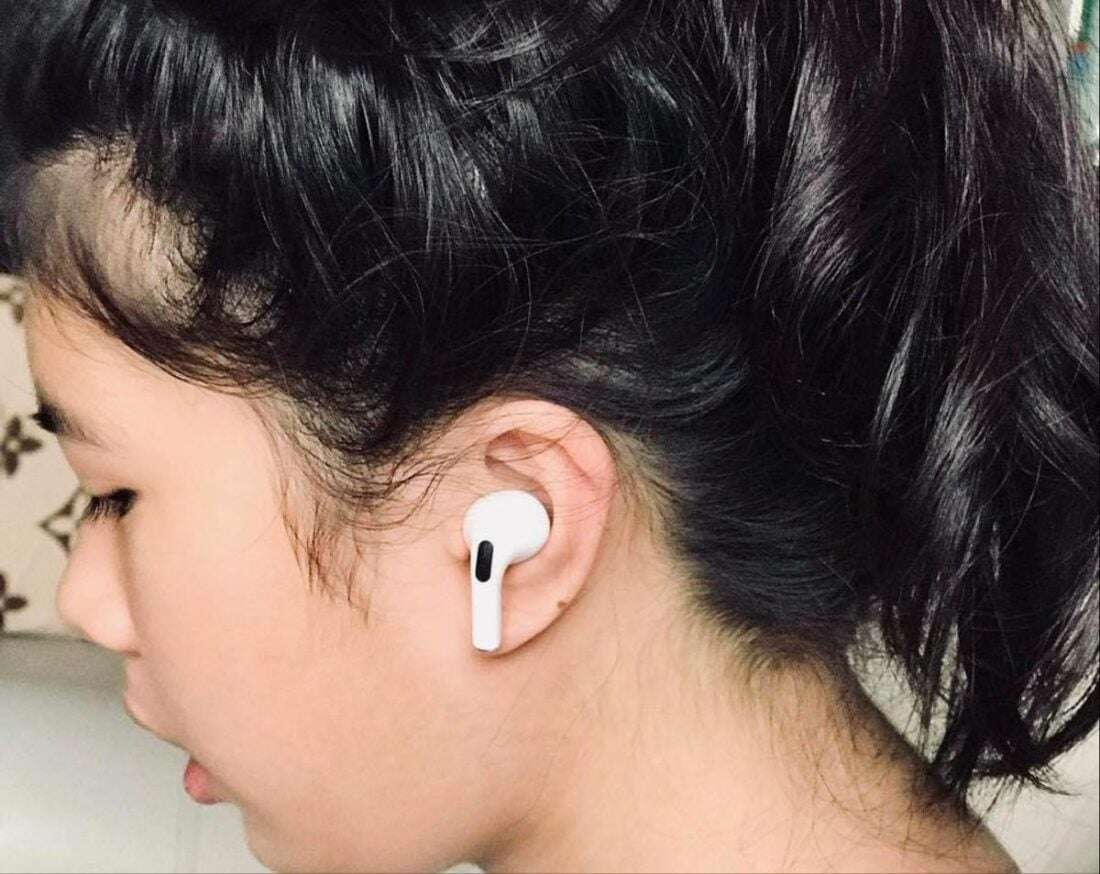
Twist it back or upward until the outer body rests in the bowl of your ear.
-
Stop when it feels secure, but never force it deeper.
-
Repeat the same movement on the other side.
For many in-ear models, gently pulling the top of your ear upward and backward can help straighten the ear canal during insertion. Release your ear after the tip is in place, then check the seal.
Do not push earbuds deep into your ears. A deep insertion can cause pain, irritation, or earwax problems. The goal is a stable seal, not maximum depth.
A good fit should feel like a gentle anchor. If the earbud moves when you shake your head lightly, adjust the angle before changing the tip size.

Use ear hooks or stabilizer wings
If you still cannot keep earbuds from falling out, add physical support. Ear hooks wrap around the outside of the ear. Stabilizer wings fit into the natural folds of the outer ear.
These features are useful for:
• Running and gym workouts
• Cycling and outdoor walks
• Jobs that require frequent movement
• Long listening sessions
• People with smooth or shallow ear shapes
Ear hooks usually offer the strongest hold. They spread the weight across the ear instead of relying only on the ear canal. They may feel less compact, but they are often worth the trade-off during exercise.
Stabilizer wings are smaller. They can keep earbuds steady without adding a visible hook. However, the wing must match your ear shape. A wing that is too large may cause pressure or soreness.
Before buying accessories, check compatibility. A hook or wing made for another earbud model may block charging contacts, microphones, or touch controls.

Keep earbuds secure during exercise
Movement creates a different challenge than sitting at a desk. Running produces repeated impact, while sweat reduces friction between the earbud and your skin.
To keep earbuds from falling out during exercise:
• Choose earbuds with ear hooks or stabilizer wings.


• Use sport-rated earbuds with a secure outer shape.
• Wipe sweat from your ears before inserting the earbuds.
• Clean the silicone tips after each workout.
• Avoid inserting wet earbuds into your ears.
• Use a slightly firmer tip if the current one slips.
• Test the fit with walking before running.
Do not use ordinary earbuds for swimming unless they are specifically designed and rated for it. Water resistance ratings vary. A rating that protects against sweat may not protect against submersion.
It is also smart to keep the volume low enough to hear nearby traffic, people, and safety alerts. Health experts often recommend limiting loud sound exposure because repeated high volume can harm hearing over time.
In a real-world test, I found that wiping both the earbud tips and the outer ear helped more than expected. Sweat can act like a thin layer of oil. Removing it restored the grip without needing tighter tips.

Clean your earbuds and ears safely
Clean earbuds stay more secure because dirt, oil, and wax can change the way the tips sit. A dirty earbud may also irritate the skin.
Use this basic cleaning routine:
-
Remove the silicone tips from the earbuds.
-
Wash the tips with mild soap and warm water.
-
Rinse them well and dry them fully.
-
Wipe the earbud body with a soft, dry cloth.
-
Use a dry cotton swab or soft brush around the speaker mesh.
-
Reattach the tips only after everything is completely dry.
Do not pour water into the earbud housing. Avoid sharp tools, alcohol on sensitive materials, and strong cleaning sprays unless the manufacturer allows them.
Clean your ears gently. The ear naturally moves wax outward, so inserting cotton swabs deep into the canal can push wax farther inside. Impacted wax can affect comfort and may prevent earbuds from fitting correctly.
If you have pain, drainage, sudden hearing loss, or a blocked feeling that does not improve, stop using the earbuds and speak with a health professional.

Try memory foam ear tips
Memory foam tips compress when inserted and slowly expand inside the ear. This can create a snug seal that helps keep earbuds from falling out.


Foam tips may work well if:
• Silicone tips slide out often.
• You want stronger passive noise reduction.
• Your ear canals are different sizes.
• You use earbuds during long trips or workouts.
They also have limits. Foam tips can absorb sweat and may wear out faster than silicone. They need regular replacement, especially if they become cracked, dirty, or less springy.
To insert foam tips, compress the foam gently, place it in the ear, and hold the earbud still for a few seconds while the foam expands. Do not force the tip deep into the canal.
Foam tips are not ideal for everyone. Some people find them warm or less comfortable. If they cause pressure, itching, or pain, return to silicone tips or try a different size.

Select earbuds that match your ears
Sometimes the problem is not your technique. The earbud design may simply be a poor match for your ears.
When comparing earbuds, look for:
• Multiple ear tip sizes
• A light and balanced design
• Stabilizer wings or ear hooks
• A short nozzle that does not apply excess pressure
• A shape that rests in the outer ear
• Sweat resistance for active use
• A secure fit test in the companion app, if available
Large earbuds can feel heavy and slowly rotate out of position. Small earbuds may be comfortable but lack enough contact with the outer ear. The best model is not always the most expensive one.


Open-fit earbuds sit outside the ear canal. They may feel comfortable and allow more awareness of your surroundings, but they usually provide less passive stability and less noise isolation than in-ear models.
If your earbuds fall out often, avoid choosing a product based only on sound quality. Comfort and fit are just as important. A great-sounding earbud is not useful if you cannot wear it for more than a few minutes.

Use the right fit for different activities
The best way to keep earbuds from falling out can change from one activity to another. A fit that works at a desk may fail during a run.
For work and commuting
Use a comfortable silicone tip and a light earbud. Make sure the seal is firm enough to reduce outside noise, but do not create unnecessary pressure.
For running
Choose wings, hooks, or a sports design. Test the earbuds with a brisk walk first. If they move while walking, they will likely move more during a run.
For strength training
A secure in-ear fit usually works well. Avoid earbuds with a loose outer shell that may catch on clothing or gym equipment.
For travel
Foam tips can improve comfort and reduce outside sound. Remember to keep the volume at a safe level, especially when using noise cancellation.
For phone calls
Check that the earbud remains stable when you talk. Jaw movement can loosen a poor fit. A wing or hook may help if calls are part of your workday.
Matching the earbud to the activity prevents many problems. Think of the fit like shoes. Slippers may work at home, but they are not the best choice for a long hike.
Common mistakes that make earbuds fall out
Small mistakes can undo an otherwise good fit. Avoid these habits:
• Using the same tip size in both ears without testing it.
• Pushing the earbuds too deep.
• Wearing earbuds with wet or oily ears.
• Skipping the twist or lock motion.
• Choosing large tips because they seem more secure.
• Cleaning the speaker mesh with sharp objects.
• Wearing casual earbuds for intense exercise.
• Ignoring soreness or pressure.
• Sleeping with hard earbuds that cause discomfort.
• Reusing worn-out foam tips.
Another mistake is adjusting the earbuds constantly. Frequent touching transfers oil to the tips and can make them more slippery. If you must adjust them often, change the tip size, angle, or earbud design instead.
Do not add random glue, tape, or homemade pieces to the earbuds. These fixes can irritate the skin, block sound, or damage the device. Use accessories designed for the exact model.
A simple fit test for earbuds
You can check your fit in less than one minute. This test works for most in-ear earbuds.
-
Insert both earbuds using the correct angle.
-
Turn your head from side to side.
-
Look up and down.
-
Open and close your mouth.
-
Walk quickly for one minute.
-
Lightly shake your head.
-
Listen for changes in bass or outside noise.
If the earbuds stay in place and sound remains balanced, the fit is likely good. If one side sounds thinner, that ear may not have a proper seal.
Do not perform a hard shake test with expensive earbuds over a hard floor. Test over a bed, couch, or carpet until you trust the fit.
A stable earbud should not need constant pushing. It should remain comfortable and secure while you move naturally.
When to replace your ear tips or earbuds
Ear tips wear out over time. Silicone can become stretched, soft, or slippery. Foam loses its ability to expand. When the material changes, the fit changes too.
Replace ear tips when:
• They no longer stay attached.
• The silicone has cracks or tears.
• The tips remain oily after cleaning.
• Foam does not return to its original shape.
• The earbuds feel loose even after correct insertion.
Consider replacing the earbuds if the shell is damaged, the battery is swollen, or the model never fits securely. A poor fit may be a design issue rather than something you can solve with technique.
Do not continue using earbuds that cause pain or skin damage. A secure fit should never require discomfort.
Frequently asked questions about how to keep earbuds from falling out
Why do my earbuds keep falling out when I walk?
The ear tips may be too small, or the earbuds may be sitting at the wrong angle. Try a different tip size and twist each earbud gently until the outer body rests in your ear.
Should earbuds feel tight in your ears?
Earbuds should feel secure but not painful. If you feel pressure, soreness, itching, or numbness, try a smaller tip, a different material, or a less deep insertion.
Are foam tips better than silicone tips for preventing earbuds from falling out?
Foam tips can improve grip because they expand inside the ear canal. However, silicone tips are easier to clean and may be more comfortable for some people, so the best choice depends on your ears and activity.
How can I keep wireless earbuds from falling out while running?
Choose earbuds with stabilizer wings or ear hooks, then test the fit while walking before running. Dry your ears and clean the tips because sweat and oil can make earbuds slide.
Can earwax make earbuds fall out?
Yes. Excess earwax can prevent the ear tip from sealing properly and may push the earbud outward. Clean only the outer ear safely, and seek medical advice if you suspect impacted wax.
Should I use the same ear tip size in both ears?
Not always. Many people have slightly different ear shapes, so one ear may need a small tip while the other needs a medium or large tip.
Is it safe to push earbuds deeper to stop them from falling out?
No. Pushing earbuds too deep can cause pain, irritation, wax buildup, or injury. A correct tip size and insertion angle are safer ways to improve stability.
Conclusion
The most reliable way to keep earbuds from falling out is to combine the right tip size, a gentle twist, clean surfaces, and a design that suits your activity. Ear hooks, stabilizer wings, and foam tips can add extra support when silicone tips are not enough.
Start by testing each ear separately. Walk, talk, and move your head before using the earbuds during a workout or commute. With a few simple adjustments, you can enjoy better comfort, clearer sound, and a far more secure fit. Try these steps today, and share your best earbud fit tip in the comments.